
Buying a $2,000 coat feels amazing. Watching that same coat lose its shape after three months? Not so much.
In 2026, luxury isn’t just about the logo on your chest. It’s about the “cost-per-wear.” If you buy a designer piece and it gets ruined because of a bad hanger or a cheap dry cleaner, you haven’t bought luxury—you’ve bought an expensive headache.
Here is how you pick the best pieces and keep them looking “runway fresh” for years.
1. Stop Buying the “Hype”
Most people walk into a boutique and buy what’s trending on social media. That’s mistake number one.
Check the “Bones” of the Garment:
Before you head to the register, turn the item inside out. Are the seams straight? Is there a “give” in the fabric, or does it feel stiff and plastic-like? In 2026, many brands are cutting corners. Look for bound seams and pattern matching. If a striped shirt doesn’t line up at the pocket, it’s not true luxury—it’s just overpriced fast fashion.
The Fabric Test:
Natural is always better. Silk, cashmere, and high-micron wool are the gold standards. If a “luxury” item is 40% polyester, put it back. Synthetics trap heat, hold odors, and pill faster than you can say “refund.”
2. The Secret Enemies in Your Closet
You’d be surprised how many luxury items are ruined inside the house, not outside.
-
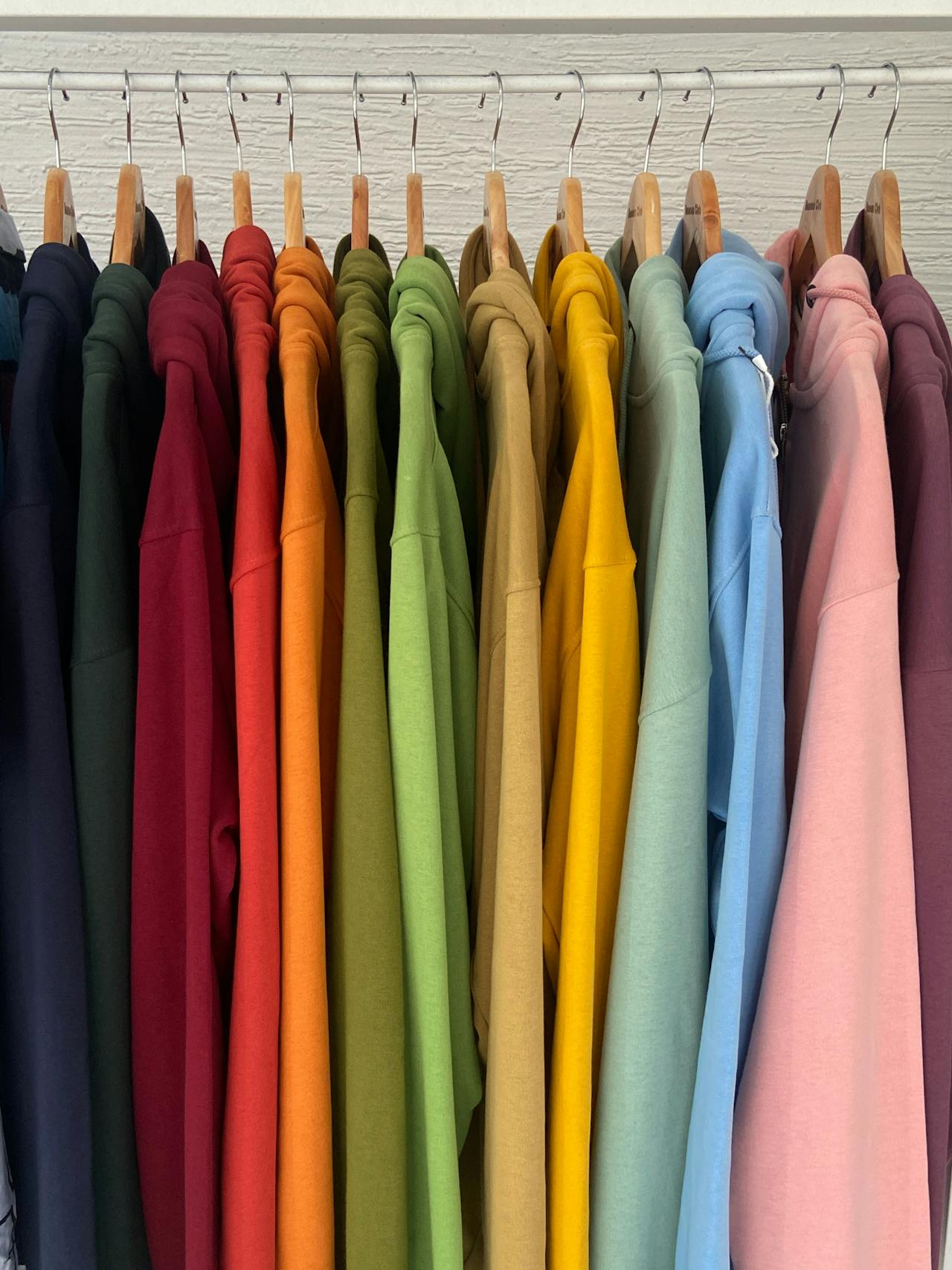
The Hanger Trap: Those thin wire hangers from the dry cleaner? They are “shoulder killers.” For heavy blazers and coats, you need wide, contoured wooden hangers. They mimic the human frame and keep the padding from collapsing.
-
The Plastic Bag Mistake: Never store your clothes in the plastic bags they come in. Plastic traps moisture. Over time, this causes “gas fading” (yellowing) on white fabrics and can even lead to mold. Switch to breathable cotton garment bags immediately.
3. Cleaning: Less is Actually More
In 2026, “Conscious Maintenance” is the big trend. The truth is, most high-end clothes don’t need to be washed every time you wear them.
Professional Tip: A high-quality steamer is better than an iron. Dry heat from an iron can “scorch” the natural oils out of wool and silk, making them look shiny and cheap. Steaming relaxes the fibers without burning them.
When to avoid the Dry Cleaner:
Traditional dry cleaning uses a chemical called Perc. It’s harsh. It breaks down the fibers of delicate knits. Unless there is a major stain, try “spot cleaning” or “airing out” your garments. For your most expensive pieces, look for a “Green Earth” or “CO2” cleaner—they use liquid silicone which is much gentler on the environment and your clothes.
4. Storage Secrets for 2026
Where you put your clothes matters as much as how you wear them.
| Material | Best Storage Method | Why? |
| Cashmere | Folded flat with cedar | Hanging stretches the neck and shoulders. |
| Silk Dresses | Padded hangers | Prevents “slipping” and fabric snags. |
| Leather Jackets | Cool, dark closet | Sunlight cracks leather; humidity grows mold. |
| Suits | Cotton garment bags | Protects from dust while letting the fabric “breathe.” |
5. The “Three-Year” Rule
Before you buy anything, ask yourself: “Will I still love this in 2029?” Fashion moves fast, but style is slow. In 2026, the most stylish people aren’t the ones wearing the newest “drop.” They are the ones wearing a five-year-old Chanel jacket that looks brand new.
Quick Maintenance Checklist:
-
De-pill your knits: Use a battery-operated fabric shaver once a month.
-
Rotate your shoes: Never wear the same pair of leather shoes two days in a row. They need 24 hours to dry out from foot moisture.
-
Fix it early: If a button is loose, fix it today. Once it falls off, finding a matching designer button is nearly impossible.
Final Thoughts
Luxury is an investment. And like any investment, it requires a bit of work to maintain its value. By picking the right fabrics and being smart about storage, you can make sure your 2026 wardrobe stays in your closet—and off the “discard” pile—for a very long time.